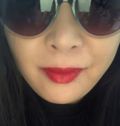
Hello All I am brand new to skinCare and makeup. I have the worst rosacea on my cheeks . I have a lot of broken capillaries clustered on the tops of my cheeks . I also have very extremely chubby cheeks so my redness you could see a block down. My question is what could I use to help with this redness. It always looks like I just ran a 10k marathon in the desert. Please I need help this is getting out of hand. Plus I hate going to the Doctors heheh.
Hello @Kates617 and welcome aboard! A few questions for you:
Has a dermatologist or other doctor ever prescribed or recommended anything for your rosacea? I’m asking because it’s best to work with a doc who’s already familiar with your case. If you haven’t seen a doc in a while, you really should book an appointment. Whenever I see my derm, I bring a list of questions about various skin-related things and sometimes add new questions during the appt. I’ve got a medical pro’s undivided attention so I might as well pick their brain and get my money’s worth, right? Think of your doc appt as a learning opportunity.
What’s your current skincare routine (brands + product names, from cleanser to sunscreen*)? I don’t wanna recommend specific products/ingredients without knowing what you’re already putting on your face. And even if I do suggest things, you should run ‘em by your derm (or other doc).
Do you know your rosacea triggers? This’ll help you avoid flares.
Eh, I’ll mention one ingredient for now: azelaic acid. Many derms like it for rosacea because it’s an anti-inflammatory (redness reducing) antioxidant that can target bacteria. Here in the US, it’s available over-the-counter up to 10% strength. A doc can prescribe 15+% strength. For me, the only side effect was tingly/itchy skin for 10-20 minutes after application. That side effect went away once my skin got used to azelaic acid.
*Do you already use a broad spectrum sunscreen that’s at least SPF 30? UV rays can worsen rosacea (and other skin conditions), so sunscreen’s important. Don’t rely solely on SPF foundation/skin tint/concealer: you probably won’t apply enough of that to get adequate UV protection. Always use a standalone sunscreen beneath SPF makeup. And take other sun protection measures too: sunglasses, hat, UPF-rated clothing, seek shade, etc.
I have redness around my nose and occasionally experience mild rosacea flare ups on my cheeks so I feel ya. My cheeks get flushed very easily as well (e.g., if it's windy outside, etc.), and, in the past, I've had a lot of dealings with broken capillaries.
It's not fun but there are ways to manage it, though it may take some time to figure out what triggers your redness / rosacea and what works best for your skin and lifestyle. I can share what has worked for me; however, I agree with @danielledanielle(thank you for the tag) that a visit to the doctor's office could be worthwhile. Completely understand how that's not necessarily something you enjoy doing, but I really do think it could be helpful and would recommend it.
Identifying Triggers of my rosacea flareups or redness has been really helpful.
For me, environmental factors like heat or even the wind can cause my face to flush. Now, I can't control the weather but I do try to address it as much as I can. When I'm outdoors and it's hot outside, I try to keep hydrated and cool down my face with a hydrating and cooling mist or a compress.
Spicy foods, which I love, is also a trigger. I've noticed that when I cut down on how often and how much of it I consume, my skin is better. I don't cut it out altogether but I have cut back quite a bit.
Stress can also be a factor and stress management is always a work in progress for me.
Skincare routine / products / ingredients
A less-is-more approach to skincare has been a tremendous help for me in terms of managing the redness in my cheeks and around my nose.
What products are you currently using in your skincare routine and how are you liking them?
Ingredients that I have found helpful include the following (but see NOTE at end regarding introducing new products to your routine):
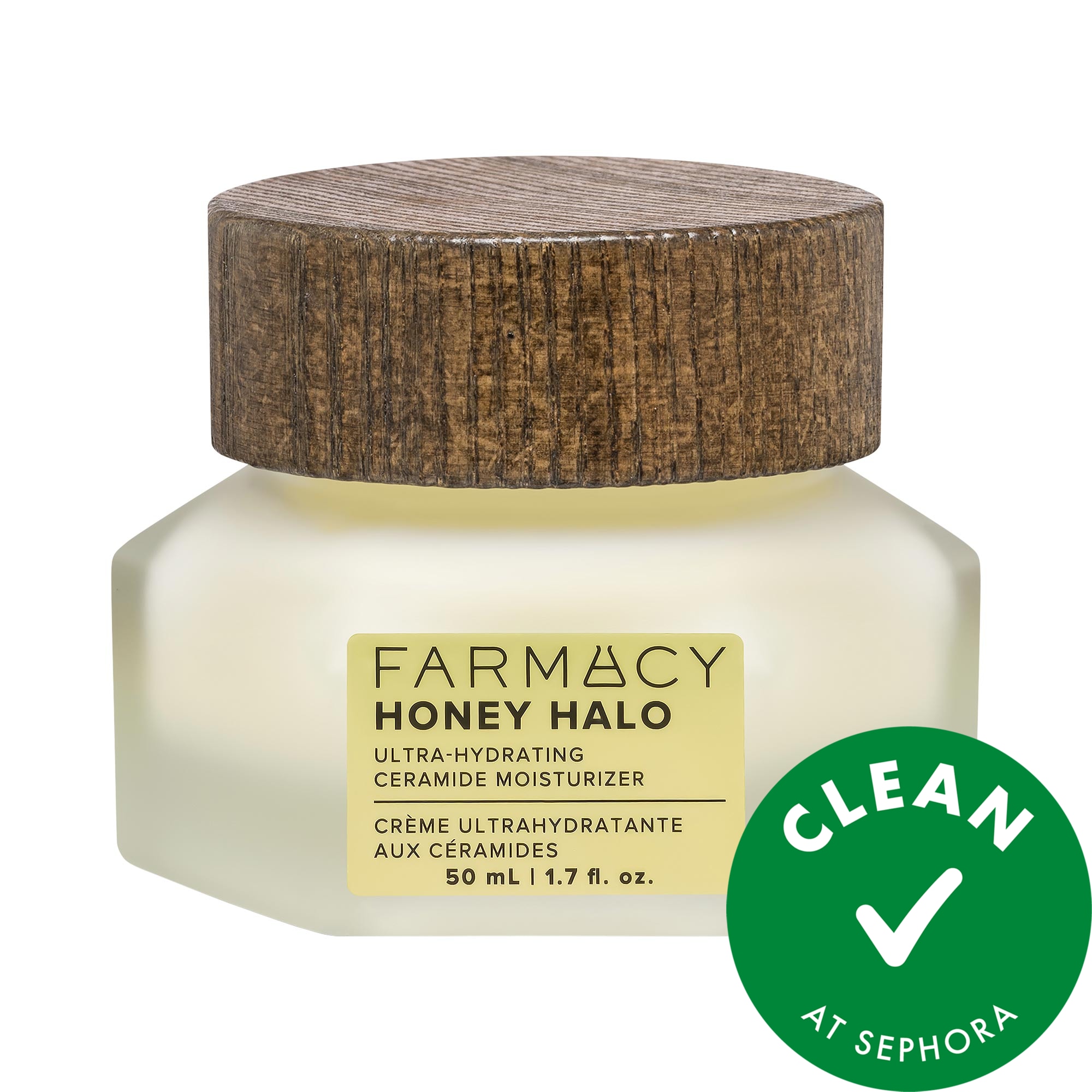
CERAMIDES: keeping my skin barrier healthy and happy is a good start to keeping the redness at bay. Ceramides don't necessarily conceal redness but they work towards healing a weakened skin barrier which can help to address redness. Current favorite products containing ceramides include:
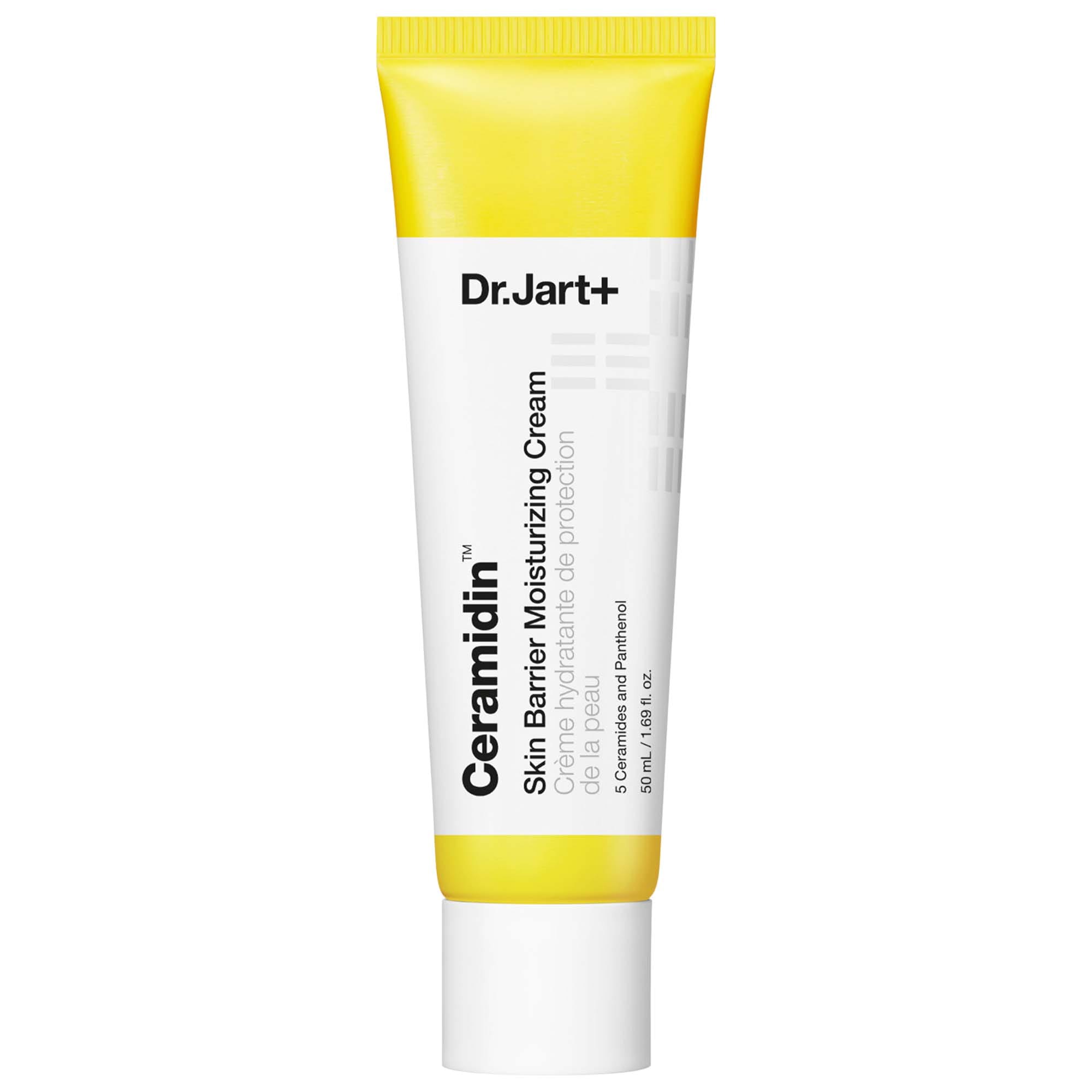
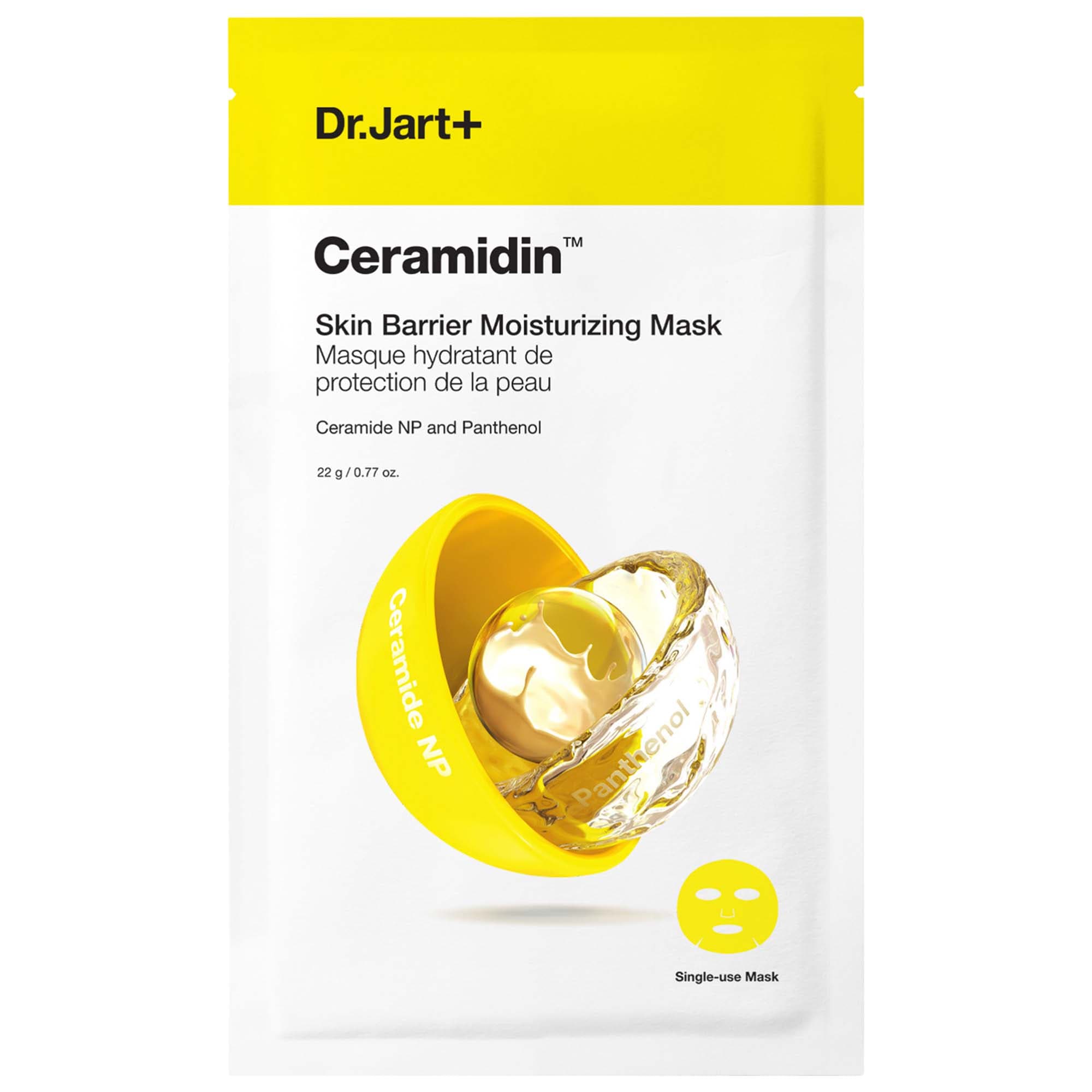
Dr. Jart+ Ceramidin™ Skin Barrier Moisturizing Cream - it's my current go-to daytime moisturizer and has, in the past 5+ years been what I refer to as a winter warrior when it comes to both calming and moisturizing my skin, and healing/protecting my skin's barrier
Rhode Barrier Butter (available at Sephora but too new of a product to tag) - my current evening moisturizer - my skin is normal-to-dry (to very dry in the winter). If you have oily skin this may be too rich for you, even in the winter.
Aestura moisturizers are excellent - they have 3 different formulations depending on your skin type and needs. All contain ceramides and are geared towards treating redness and a compromised skin barrier
-- Atobarrier365 Hydro-Soothing Gel Cream - great for oily, normal, combo skin types
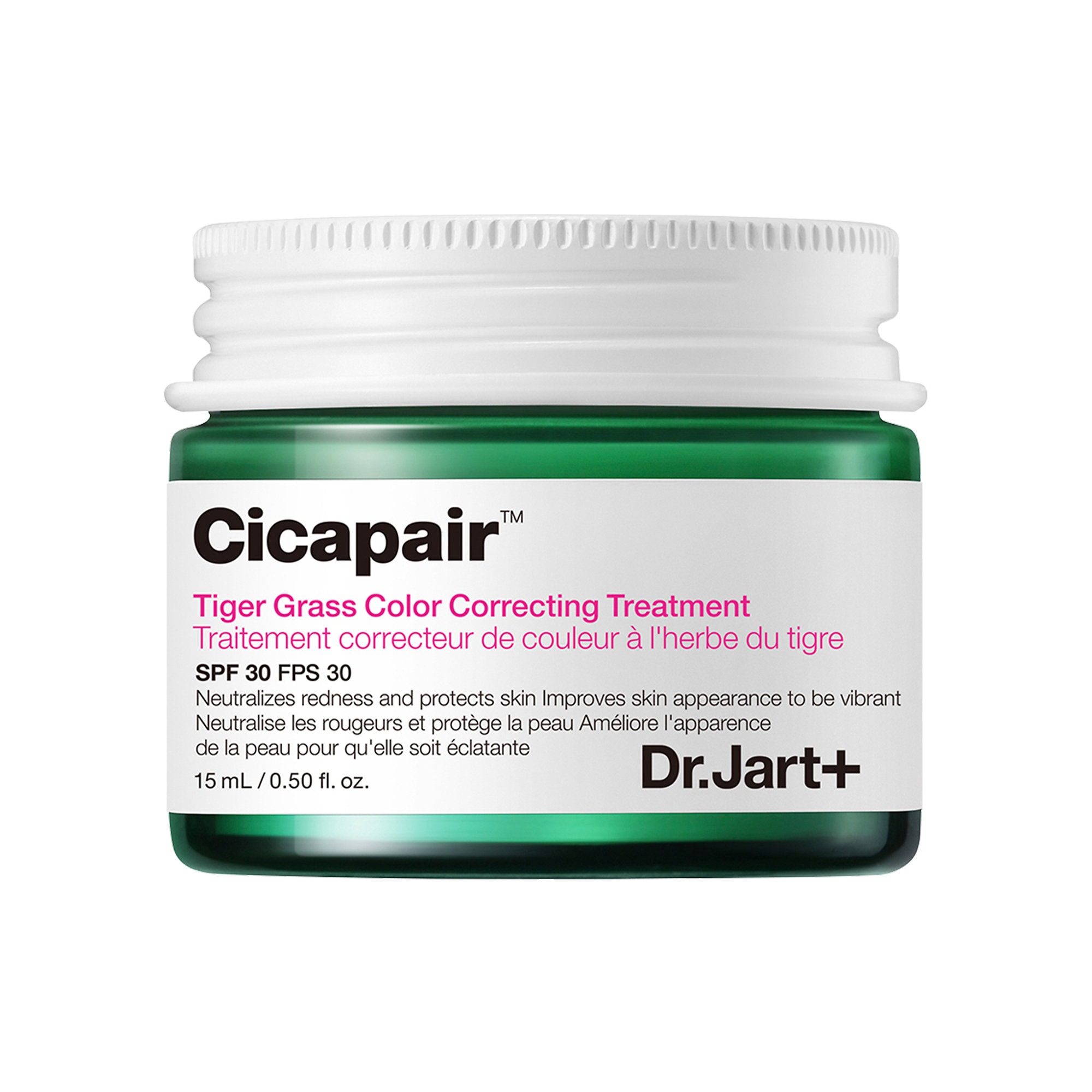
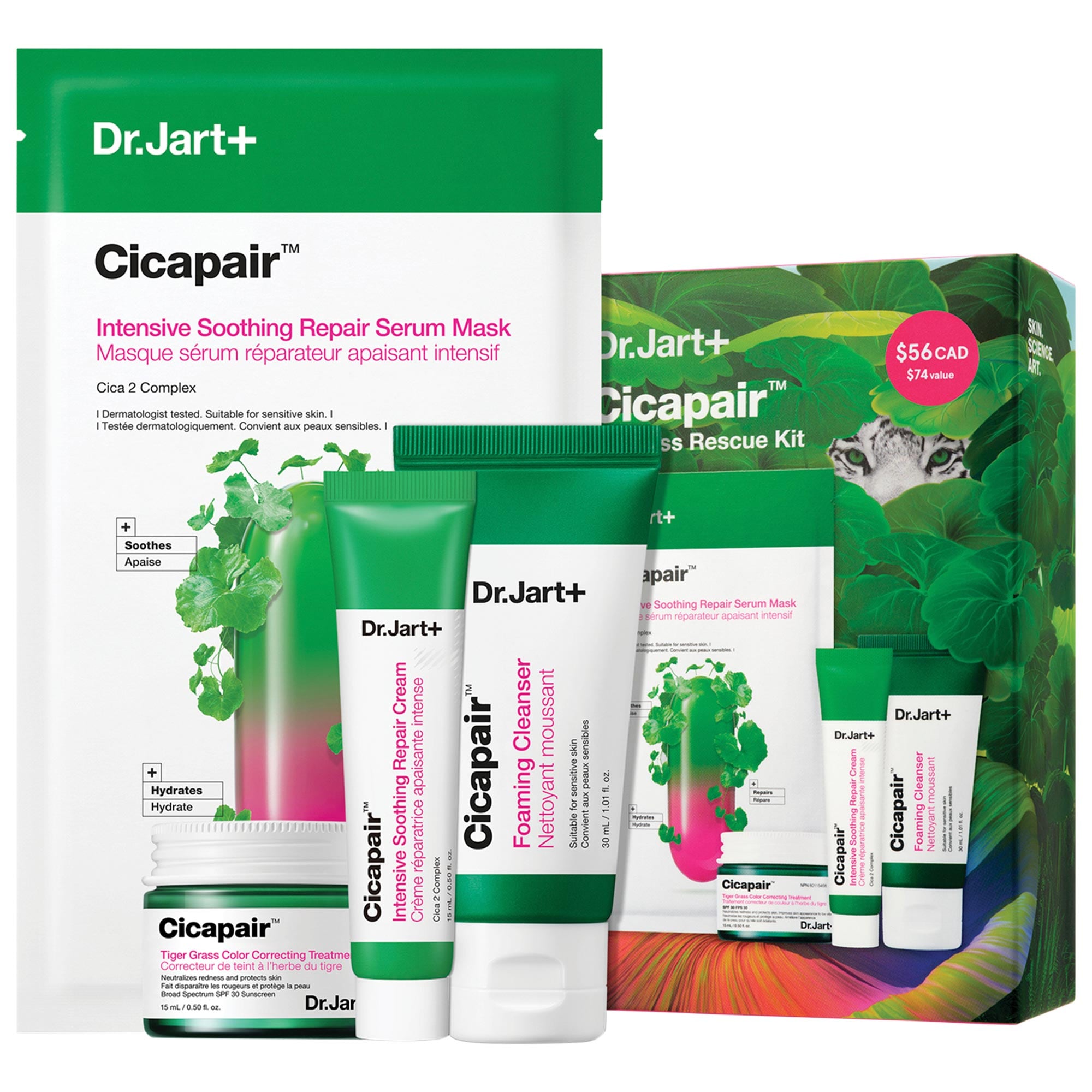
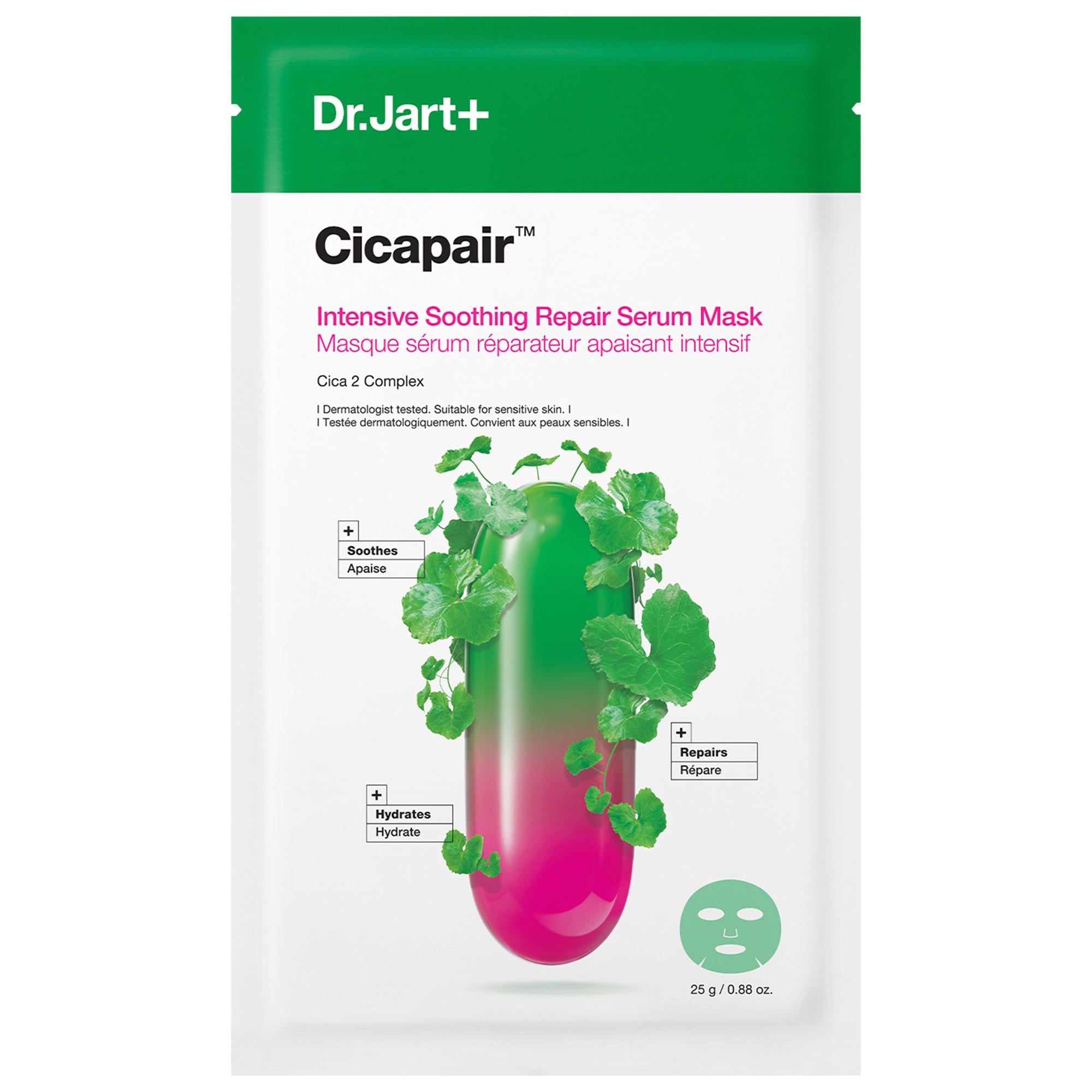
Dr. Jart+ Mini Cicapair Color Correcting Treatment SPF 30 15 mL/ .50 fl oz is a soft green-hued cream that reduces/blurs redness. I use it as a primer before makeup or some days in lieu of a tinted moisturizer or foundation. It evens tones beautifully. I have the original / older version so I can't speak to the newer, reformulated version currently available. Deluxe sample sizes of this are often available in sets or through the Rewards Bazaar or as a promo gwp with a minimum spend. If you are near a Sephora store, they may be able to make you a sample of this product as well.
LANEIGE Cica Sleeping Mask for Moisture Barrier Support
CosRX Propolis Light Cream and Propolis Synergy Toner
CNP Laboratory Propolis Amino Cleanser
MADECASSOSIDE
Mediheal Madecassoside Essential Mask
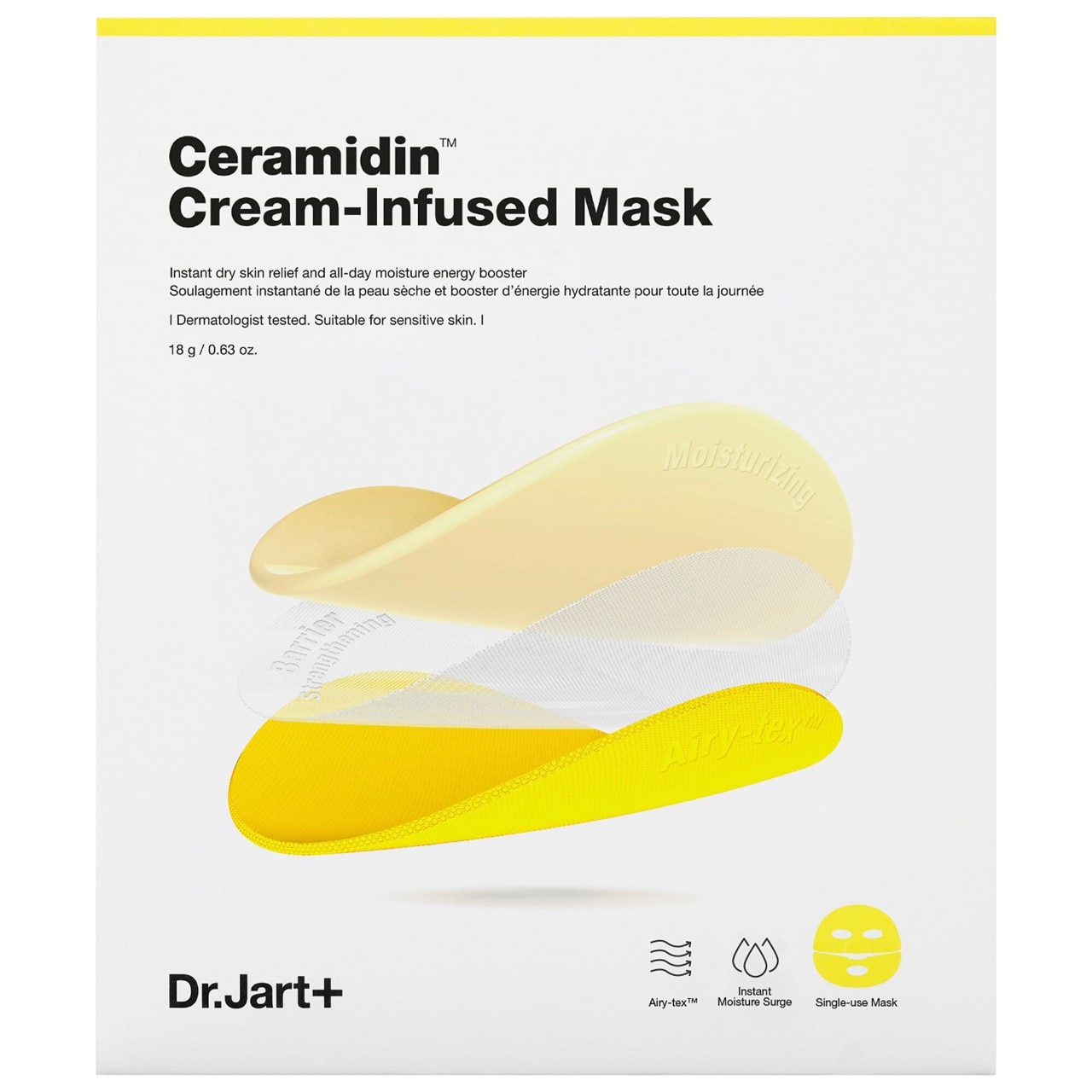
NOTE: If you are prone to redness, a sheet mask may not be the best thing for your skin. Also as you try new products, highly recommend that you do a patch test first and that you incorporate products one at a time with time / days / weeks between adding another new product into your routine. This will give your skin time to adjust to the product / ingredients and if you have a negative reaction to it, it'll make it easier to pinpoin the likely culprit.
I'm sure others will have thoughts and product recommendations for you to consider along with, possibly recommendations you might receive from a visit with a doctor. Hope you are able to find something that works for you.
@Kates617 , you should eventually see a doctor, because we're not dermatologists, so what works for one person doesn't always work for another and my primary reason for telling you this is that trying to many things can sometimes aggravate the problem. Even if the doctor is expensive, you can at least get their expertise and see if they recommend a variety of things (prescription, drugstore, high end, etc). Also, this can get expensive if you're trying to address something ongoing.
That being said-
If I'm breaking out cica (asiatica centella) is my go to.








 Sign In

 Sign In